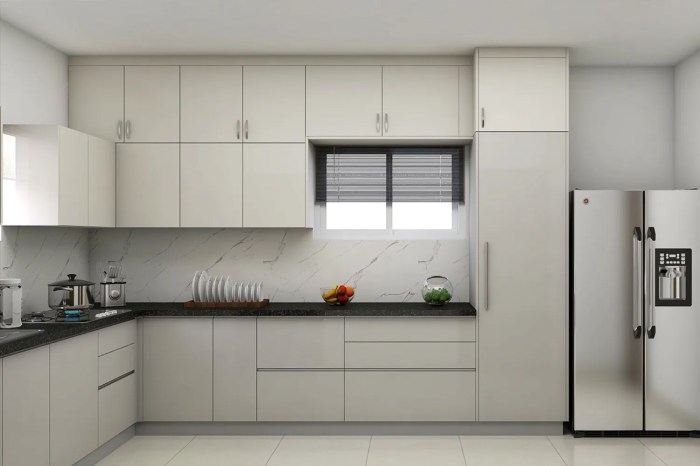
Modular furniture systems are revolutionizing the way we approach interior design, providing flexible solutions that adapt to various lifestyles and spaces.
These innovative designs not only enhance functionality but also allow for personalization and creativity in home and office settings. With an array of modular pieces—from shelving units to seating arrangements—these systems can be tailored to meet diverse needs while maintaining a cohesive aesthetic.
Introduction to Modular Furniture Systems
Modular furniture systems are innovative solutions that offer flexibility and adaptability in furnishing spaces. These systems consist of individual components that can be combined in various configurations to suit different needs. The primary benefits of modular furniture include ease of customization, space efficiency, and the ability to reconfigure as requirements change. This adaptability is particularly valuable in modern environments such as offices, homes, and public spaces.The versatility of modular designs makes them suitable for various settings.
In a home environment, they can transform living rooms into multifunctional spaces that accommodate both relaxation and work. In offices, modular furniture can facilitate collaboration by allowing teams to rearrange their workspaces according to project needs. Popular examples of modular furniture pieces include sofa sections that can be rearranged, desk systems that adjust to different layouts, and shelving units that can be expanded or reduced based on storage requirements.
Customer Service in the Modular Furniture Industry
Effective customer service is crucial for success in the modular furniture sector. Companies must adopt strategies that focus on building strong relationships with their customers and providing excellent support. Key customer service strategies include personalized communication, responsive customer support, and easy return policies. A proactive approach to customer feedback also plays a vital role in shaping product designs and improving overall user experience.Implementing a customer service training program tailored to the modular furniture industry involves teaching employees about the unique features of modular systems, how to assist customers in finding the right configurations, and strategies for managing customer inquiries effectively.
Training should also emphasize the importance of listening to customer feedback to inform design improvements, ensuring that products continually meet evolving needs.
Entrepreneurialism in Modular Furniture
Starting a modular furniture business requires a clear understanding of the market, product design, and operational logistics. Entrepreneurs should begin by conducting thorough market research to identify customer preferences and trends. Creating a solid business plan is essential, outlining goals, target markets, and financial projections.Successful entrepreneurs in the modular furniture market often share stories of how they identified gaps in the industry and leveraged innovative design ideas.
For instance, many have incorporated sustainable materials or customizable features that resonate with environmentally conscious consumers. In addition, innovative business models like subscription services for modular furniture are gaining traction, allowing customers to refresh their spaces without significant upfront investment.
Business Ethics in Furniture Manufacturing
The ethical sourcing of materials is a fundamental aspect of furniture manufacturing, particularly in the modular segment. Companies must prioritize transparency and responsible practices in obtaining raw materials. This includes ensuring that wood and textiles are sourced from sustainable suppliers who adhere to environmental regulations.Sustainability is increasingly important in business practices, as consumers prefer brands that demonstrate a commitment to environmentally friendly operations.
Manufacturers face ethical dilemmas such as balancing cost-efficiency with sustainable practices. Addressing these challenges requires a strategic approach to sourcing, production methods, and waste management to minimize environmental impact while maintaining profitability.
Business Franchising Opportunities
The modular furniture sector presents numerous franchising opportunities for entrepreneurs. Potential franchisees can explore options like home office solutions, modular office setups, or even children’s furniture designed for adaptability. Each of these niches offers unique selling propositions that cater to specific customer needs.Establishing a modular furniture franchise involves meeting several requirements, including investment capital, understanding the brand’s design philosophy, and adhering to operational standards.
A successful franchise model should clearly highlight aspects such as quality assurance, marketing support, and ongoing training, ensuring that franchisees can effectively represent the brand in their local markets.
Furnishings and Supplies for Modular Systems
Creating modular furniture necessitates a range of essential supplies and materials. Key components include high-quality wood, durable fabrics, and sturdy hardware that support modular assembly. Choosing the right materials is critical for ensuring both the aesthetic appeal and functionality of the final product.A well-organized list of recommended materials and suppliers can significantly streamline the production process. Suppliers specializing in sustainable materials can help manufacturers align with eco-friendly practices.
Additionally, accessories such as connectors, modular lighting, and customizable fabric options enhance the versatility of modular furniture, allowing customers to create personal and unique configurations.
Human Resources in the Modular Furniture Business
The human resources department in a modular furniture company plays a vital role in promoting a positive work environment. Key roles within the HR department include recruitment specialists, training coordinators, and employee relations managers. Each of these positions contributes to building a skilled workforce that understands the complexities of modular design.Effective employee training and retention strategies are crucial for sustaining a motivated workforce.
This can involve creating mentorship programs, offering ongoing skill development workshops, and promoting a culture of open communication. Methods for fostering a positive workplace culture may include team-building activities, recognition programs, and regular feedback sessions, ensuring employees feel valued and engaged.
Industrial Mechanical Considerations
Manufacturing processes in modular furniture production involve various stages, from design and prototyping to assembly and quality control. Efficient production lines often utilize advanced machinery that enhances precision and speed while reducing waste.Machinery and technology are instrumental in improving production efficiency. Automated cutting tools and CNC machines allow for high-precision manufacturing, which is essential in creating modular components that fit seamlessly together.
Quality control measures, such as regular inspections and testing, ensure that each piece meets the required standards for safety and durability, ultimately leading to higher customer satisfaction.
Concluding Remarks
In conclusion, modular furniture systems offer an exciting blend of versatility, efficiency, and style, making them an ideal choice for modern living. As they continue to evolve, the opportunities for customization and sustainability within this industry remain boundless, promising an even brighter future for both consumers and entrepreneurs alike.
Essential Questionnaire
What are the main advantages of modular furniture systems?
Modular furniture systems offer flexibility, adaptability, and efficiency, allowing users to customize their spaces based on changing needs.
Are modular furniture systems suitable for small spaces?
Yes, they are ideal for small spaces as they can be easily rearranged or expanded to maximize functionality without overwhelming the area.
What materials are typically used in modular furniture?
Common materials include engineered wood, metal, and sustainable options like bamboo, providing durability and aesthetic appeal.
How do I maintain modular furniture?
Regular cleaning with appropriate materials and following manufacturer guidelines will help maintain the quality and longevity of modular furniture.
Can modular furniture be customized?
Absolutely! Many modular furniture systems offer a variety of configurations, colors, and materials to suit individual preferences and styles.


